


1. General Introduction / Course Learning Outcomes
General introduction:
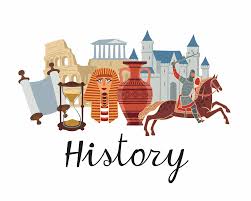
U.S. History is a college-preparatory course that exposes students to the full sweep of American history—from the earliest transatlantic contact to the 21st century. Students begin by examining the establishment and growth of European colonies in the New World and the conflicts that led to the American Revolution and the War for Independence. The course then follows the development of the new nation, its evolving political system, and the major challenges it faced as westward expansion accelerated and sectional tensions moved the country toward civil war.
Learning outcomes:
By the end of the course, students can:
-
Explain major historical developments across U.S. history using clear chronological and cause-and-effect reasoning.
-
Use problem-solving and critical thinking to evaluate how decisions, institutions, and ideas shaped American society over time.
-
Analyze foundational American democratic ideals and institutions, and communicate thoughtful, evidence-based interpretations.
-
Compare multiple sources and perspectives to form informed conclusions about historical events and debates.
-
Apply key historical literacy skills, including interpretation, research, and argumentation.
2. Content Overview
The curriculum is organized chronologically and emphasizes pivotal eras and turning points:
-
Colonial foundations: European colonization, colonial development, and rising tensions leading to the American Revolution.
-
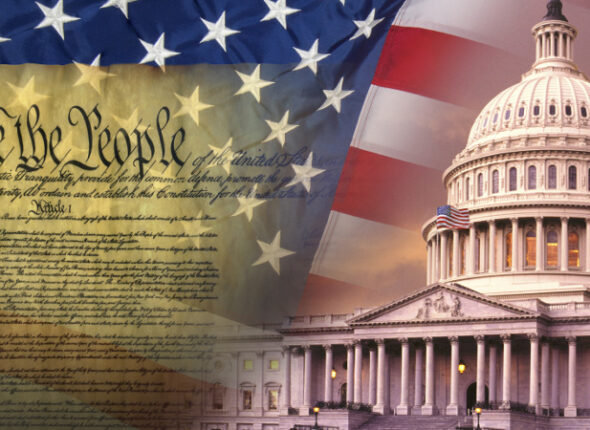
Democratic principles: close study of the Declaration of Independence, the U.S. Constitution, and the Bill of Rights and their impact on the nation’s political identity.
-
National expansion and conflict: westward expansion, growing sectional divisions, the approach to the Civil War, and the evolution of federal power and governance.
-
Modern transformation (late 19th century): major changes driven by immigration, industrial growth, urbanization, and technological innovation.
-
Global emergence (early 20th century): the Progressive reform movement and America’s rise as a modern world power, including involvement in World War I.
-
(Extended study through the 21st century): major political, economic, and social developments that shaped modern America.
3. Learning and Teaching Approach
Instruction is designed to develop historical understanding through evidence, inquiry, and strong literacy skills:
-
Inquiry-based learning: students investigate historical questions, evaluate evidence, and compare sources and viewpoints rather than memorizing facts.
-
Blended learning: core content is often delivered through instructional videos and digital resources, allowing interactive time for discussion, small-group work, and targeted teacher support.
-
Backwards design: lessons and assessments are planned from clear standards-aligned outcomes—what students should know and be able to do.
-
Literacy integration: teachers emphasize historical interpretation, research, and chronological thinking as essential tools for understanding the past and communicating ideas effectively.
 Lessons: