


1. General Introduction / Course Learning Outcomes
General introduction:
U.S. Government is a college-preparatory course designed to foster a deep understanding of the institutions and ideals of American government. The course prepares students to communicate intelligently and think critically about civic life and the modern world. Through structured reflection and discussion, students also connect civic concepts to their own experiences and global perspectives to strengthen identity, responsibility, and civic reasoning.
Learning outcomes:
By the end of the course, students can:
-
Explain the core institutions and democratic ideals of the U.S. government using accurate civic and historical reasoning.
-
Analyze how the Constitution and the Bill of Rights have been interpreted and applied over time.
-
Evaluate how laws, court decisions, and political processes shape civil liberties and civic life.
-
Discuss contemporary governance challenges (technology, global trade, foreign policy) using evidence, multiple perspectives, and clear argumentation.
-
Build and communicate well-supported viewpoints through research, reflection, and academic discussion.
2. Content Overview
The curriculum focuses on key areas of political science and U.S. civic history:
-
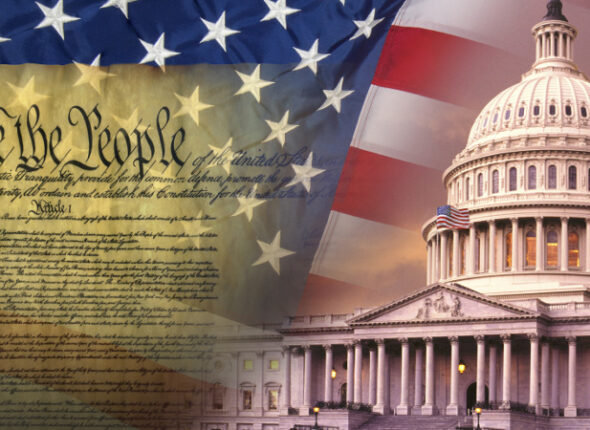
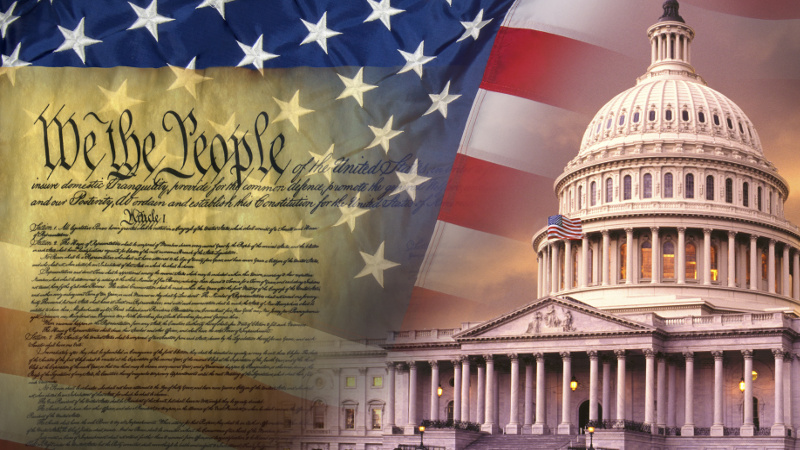
Foundational documents: the Constitution and the Bill of Rights, including their history and evolving interpretations.
-
Branches of government: development and functions of the legislative, executive, and judicial branches.
-
Federalism: the evolution and ongoing significance of the federal system.
-
Political processes: America’s political and electoral systems and how citizens participate in governance.
-
Civil liberties and Supreme Court cases: expansion of civil liberties over time and the impact of landmark Supreme Court decisions.
-
Modern challenges: the influence of global trade and modern technology on law and governance, and the development of U.S. foreign policy.
3. Learning and Teaching Approach
Instruction follows scalable, standards-aligned models designed for engagement and mastery:
-
Backwards design: units begin with clear learning targets and assessment evidence, then lessons and activities are built to match.
-
Blended and inquiry-based learning: students access key content through instructional videos and curated resources; interactive learning time emphasizes discussion, collaboration, and hands-on analysis.
-
Global and social context: multicultural perspectives and social justice themes are embedded to help students examine governance through a globally conscious lens.
-
Literacy integration: the course strengthens intellectual reasoning, reflection, and research—treating reading, writing, and evidence-based argument as core tools for civic understanding.
 Lessons: